Drakes Island, located in Wells, Maine, is home to a vital salt marsh ecosystem that serves as a natural transition zone between the upland environment and the Atlantic Ocean. These marshes are primarily characterized by vast expanses of Spartina patens (salt meadow hay) and Spartina alterniflora (smooth cordgrass), which have adapted to survive the twice-daily inundation of brackish tidal waters. Beyond their scenic beauty, these wetlands act as a critical "biogeochemical filter," trapping sediments and absorbing excess nutrients before they reach the sea. They also function as a massive natural sponge, providing essential flood protection for the surrounding coastline by absorbing storm surges. For local wildlife, the Drakes Island marshes are an indispensable nursery; the complex network of tidal creeks provides a nutrient-rich sanctuary for juvenile fish, crustaceans, and migratory birds like the Great Blue Heron and the Snowy Egret.
Drakes Island, located in Wells, Maine, is home to a vital salt marsh ecosystem that serves as a natural transition zone between the upland environment and the Atlantic Ocean. These marshes are primarily characterized by vast expanses of Spartina patens (salt meadow hay) and Spartina alterniflora (smooth cordgrass), which have adapted to survive the twice-daily inundation of brackish tidal waters. Beyond their scenic beauty, these wetlands act as a critical "biogeochemical filter," trapping sediments and absorbing excess nutrients before they reach the sea. They also function as a massive natural sponge, providing essential flood protection for the surrounding coastline by absorbing storm surges. For local wildlife, the Drakes Island marshes are an indispensable nursery; the complex network of tidal creeks provides a nutrient-rich sanctuary for juvenile fish, crustaceans, and migratory birds like the Great Blue Heron and the Snowy Egret.

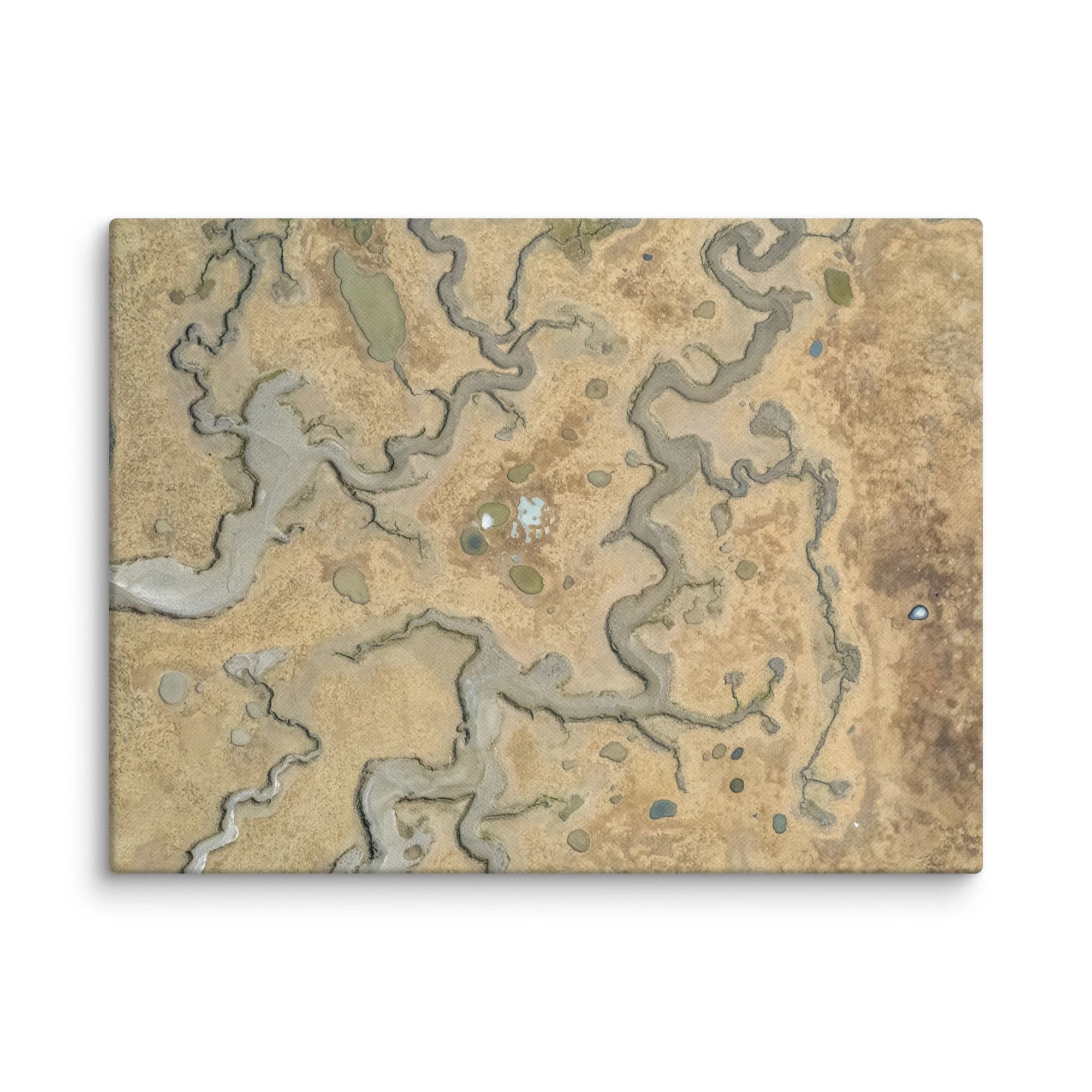 Image 1 of 5
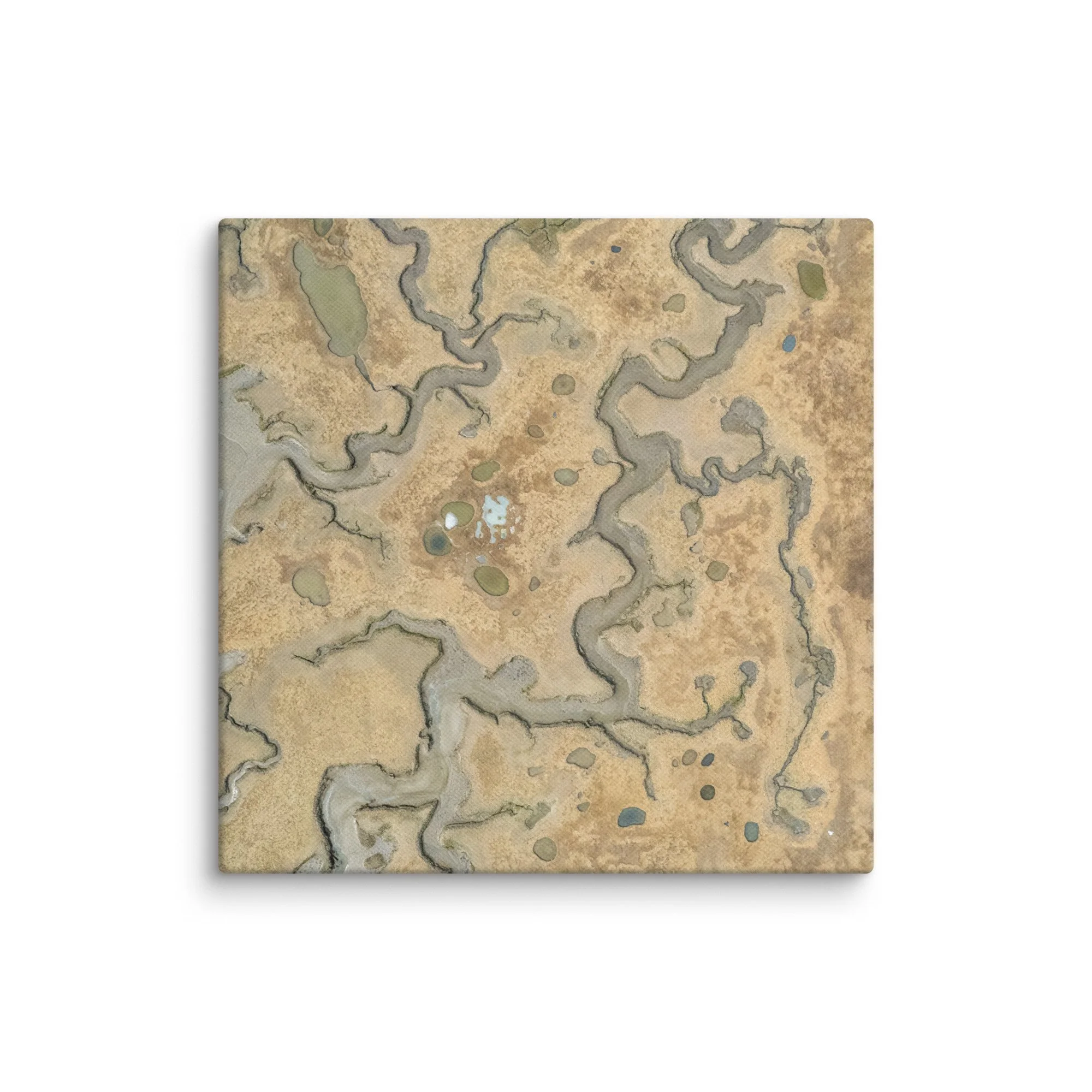 Image 2 of 5
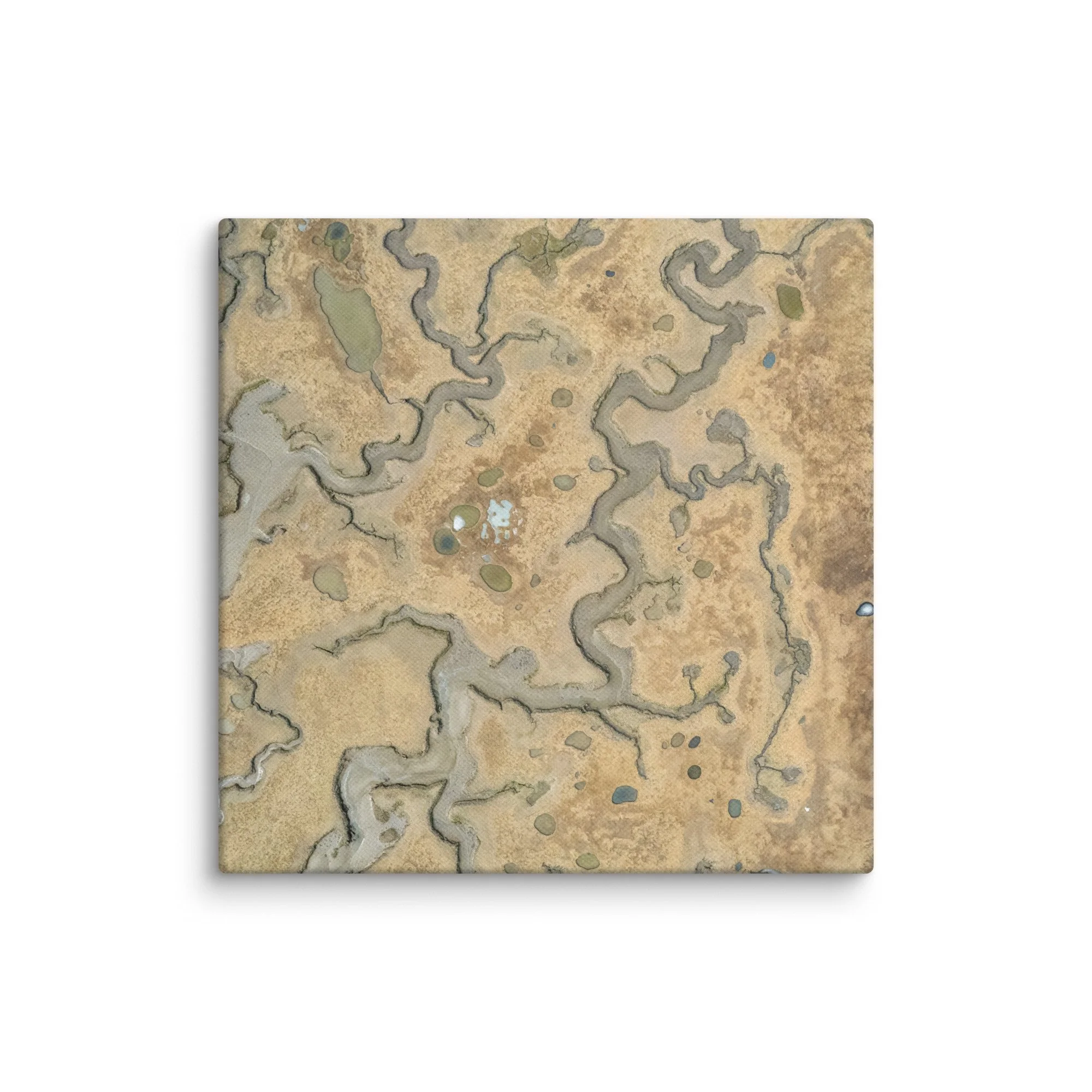 Image 3 of 5
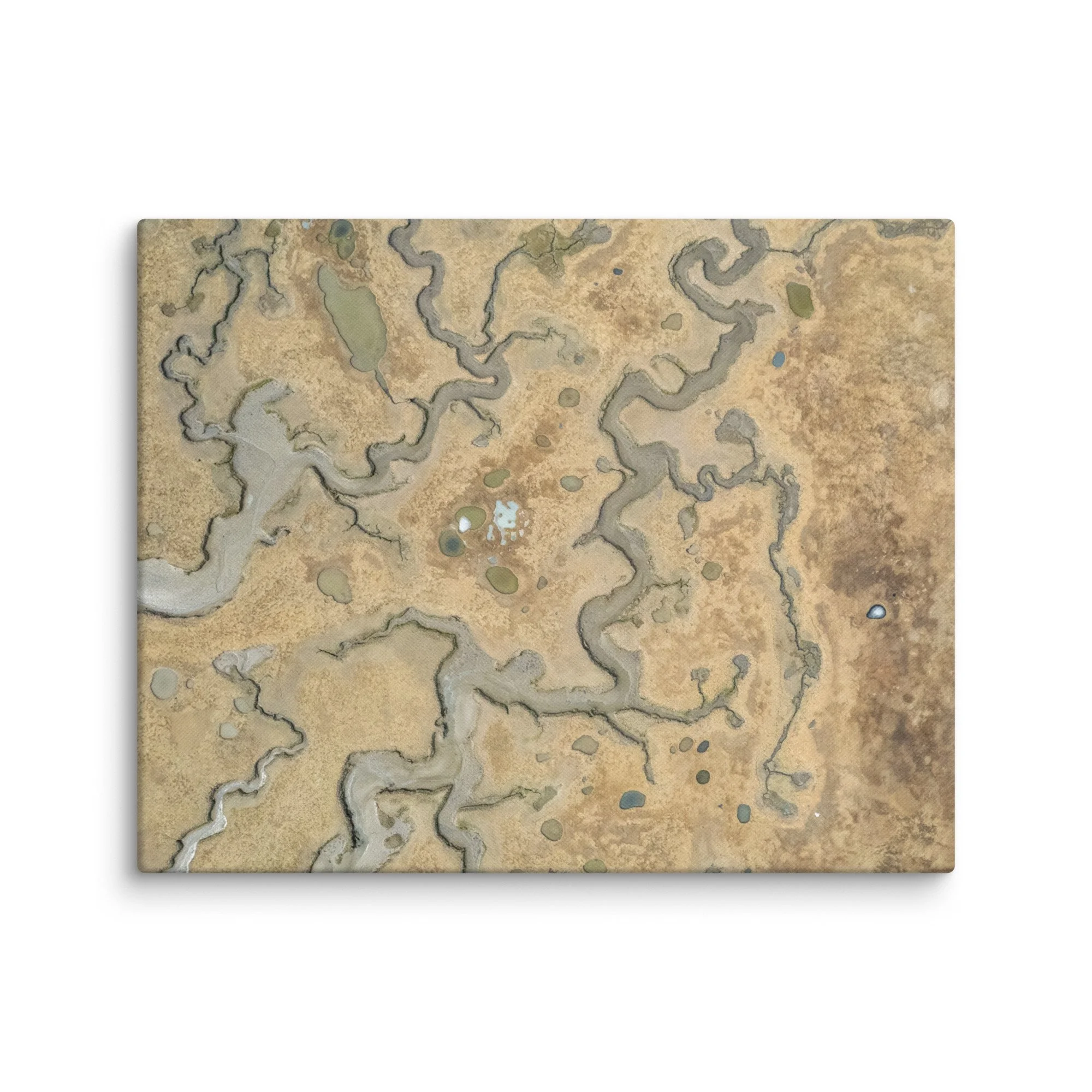 Image 4 of 5
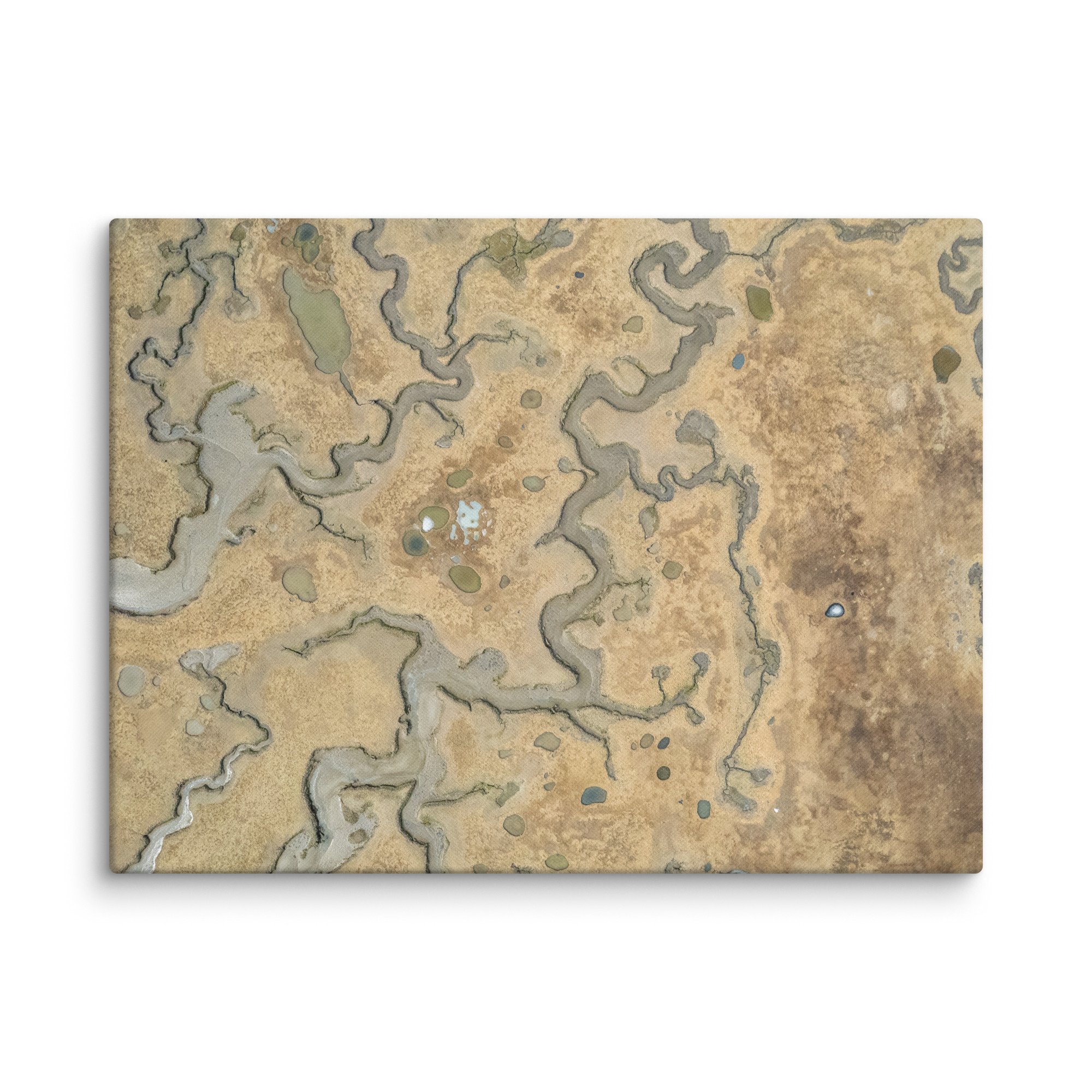 Image 5 of 5